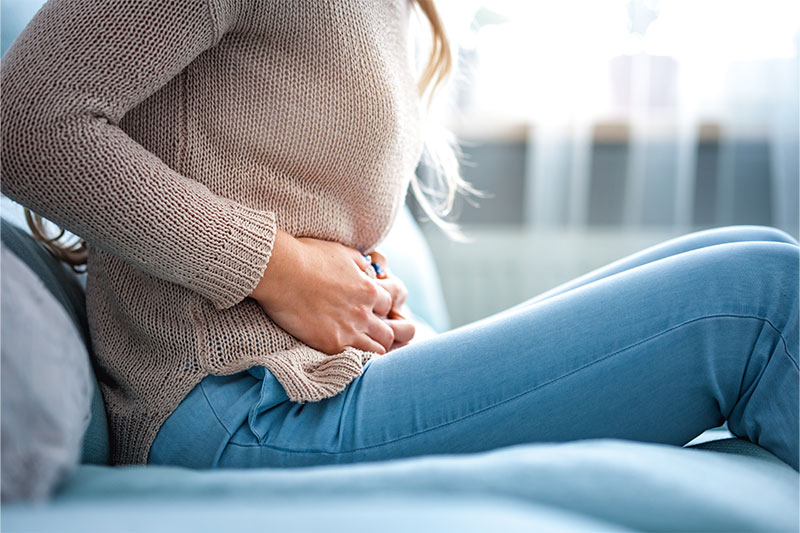
Endometriosis is a chronic inflammatory condition where tissue similar to the endometrium (lining of the uterus) grows outside the uterus, commonly affecting the ovaries, pelvic lining , and bowel. It affects around 1 in 9 women and can significantly impact quality of life, fertility and mental wellbeing.
Diagnosis
There is no longer a requirement for surgical confirmation -laparoscopy – to make a diagnosis. Current guidelines support a clinical diagnosis (based on symptoms),
Common symptoms:
- Dysmenorrhea (painful periods, often severe and worsening over time)
- Chronic pelvic pain (ongoing pain in the lower abdomen)
- Deep dyspareunia (pain with deeper sexual intercourse)
- Pain with bowel movements, often cyclical (worse around periods)
- Subfertility
Imaging plays a role but does not exclude disease:
- Transvaginal ultrasound (internal pelvic scan) is first-line and useful for identifying endometriomas (ovarian cysts caused by endometriosis) and deep infiltrating disease (endometriosis growing into organs)
- MRI may be helpful in complex cases
Importantly, a normal scan does not rule out endometriosis.
Management- how to treat
It should be individualised, focusing on symptom control and patient goals.
First-line options include:
- NSAIDs (anti-inflammatory pain relief like ibuprofen)
- Hormonal therapies (treatments that switch off ovulation and periods):
- Combined oral contraceptive pill (the pill, often taken continuously without a break)
- Progestin-only therapies (progesterone-based treatments such as Progesterone only conraceptive pill , taken continously , progesterone tablets , injections, or hormonal IUD like Mirena)
Second-line options:
- GnRH analogues (medications that temporarily switch off ovarian hormone production, creating a menopause-like state, usually with add-back hormone therapy)
- Ryeqo is available in Australia
Laparoscopic surgery (keyhole surgery) for diagnosis and treatment (removal or destruction of lesions)
Adjunctive care (supportive treatments) is essential:
- Pelvic physiotherapy (specialist physio for pelvic pain) Endometriosis often causes pelvic floor muscles to overtighten as a protective response to pain.
- Psychological support (support for the emotional impact of chronic pain)
- Multidisciplinary pain management (team-based approach to chronic pain)
When to Refer to a specialist
Referral to a gynaecologist, preferably with expertise in endometriosis, is recommended when:
- Symptoms are severe or not responding to first-line treatment
There is suspicion of deep infiltrating disease (endometriosis affecting organs like bowel or bladder) - Imaging shows endometrioma (ovarian cyst) or complex masses
Fertility is a concern
Diagnosis is uncertain
Early recognition and management can significantly improve outcomes. It’s important to remember it is not normal to live with debilitating period pain. With the right support and treatment, women can reclaim their time, energy, and quality of life.
Thanks Sian