
Osteoporosis & Osteopenia

Protecting Bone Health After MenopauseOsteoporosis (reduced bone strength with increased fracture risk) and osteopenia (lower-than-normal bone density, but not yet osteoporosis) are common in women after menopause. Bone loss accelerates in the first 5–10 years after menopause, largely due to declining oestrogen (the hormone that protects bone).What Happens to Bone After Menopause?Oestrogen plays a key role in maintaining the balance between bone breakdown and formation. After menopause:Bone resorption (breakdown) increasesBone formation cannot keep upNet bone loss occurs, increasing fracture riskWomen can lose up to 10–20% of bone density in the early postmenopausal years.The Role of OestrogenOestrogen is one of the most effective therapies for preventing bone loss.Evidence shows:Menopausal hormone therapy (MHT) reduces fracture risk by ~30–40%It improves bone mineral density (BMD) at the spine and...

Exercise, Diet, and Alcohol Reduction: A Realistic Guide for Busy Women in Perimenopause and Menopause

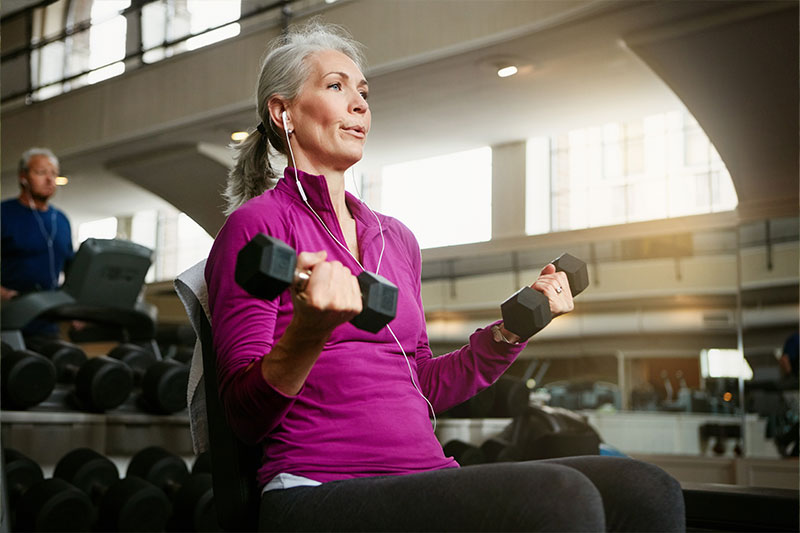
Life doesn’t slow down just because we hit perimenopause or menopause. Between work, family, and trying to have a life, finding time for exercise and healthy eating can feel like just another impossible task. But here’s the thing—small, sustainable changes can make a huge difference. Move Your Body, But Keep It Real Exercise isn’t about punishment or chasing a perfect body—it’s about feeling good, boosting energy, and keeping bones and muscles strong. If you’re short on time, aim for efficiency: Strength training twice a week helps counteract muscle loss and supports metabolism. Walking is underrated—just 30 minutes a day improves mood, heart health, and weight management. Short bursts count—10-minute bodyweight workouts, yoga stretches, or stair climbing all add up. Eating Well Without the Overwhelm Hormonal changes can make weight management trickier, but...